Key Takeaways
- According to the Observatoire du tourisme, Marrakech recorded 8.27 million overnight stays in classified accommodation from January to the end of July 2026, close to a third of the national total.
- Travelers carry their bags between check-out and an evening departure, before check-in, when leaving the train station and on the walk from the medina gates.
- Since late July 2026, Marrakech's coach station is no longer at Bab Doukkala: it has moved to Al Azzouzia, far from the center.
- BoxSpot is recruiting partners in Marrakech: free to apply, paid for each booking under the partner contract, no volume promised.
Do you run a café, a shop or a small business in Marrakech, in the medina, in Gueliz or near the station? Every day, travelers walk past your door with a suitcase in hand and a few hours to fill. Here is how to earn more from them, with simple ideas, only one of which is about luggage storage.
Short answer
Make your business easy for a foreigner to find and to use: an accurate Google Maps listing, prices and a menu that can be read in several languages, card payment and hours that run from morning into the evening. Introduce yourself to the riads in your neighborhood, which can send their guests your way. If you have a closed space out of customers' reach, you can also become a BoxSpot drop-off point: applying is free and you are paid for each booking. BoxSpot is recruiting partners in Marrakech, especially near the medina gates, the station and in Gueliz.
How many travelers come through Marrakech?
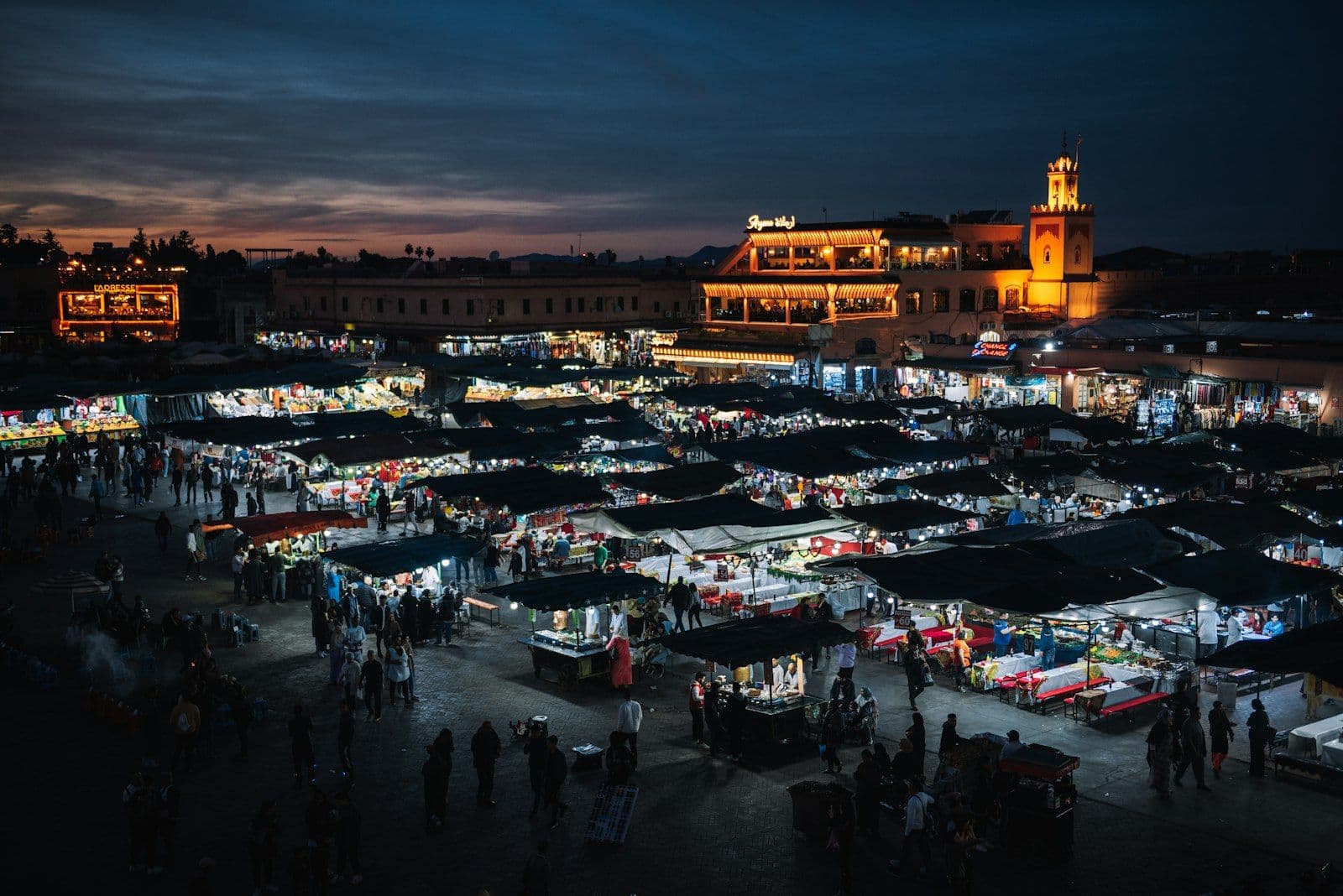
According to the Observatoire du tourisme, classified tourist accommodation in Marrakech recorded 8.27 million overnight stays from January to the end of July 2026, close to a third of all overnight stays recorded in Morocco over the period (figures reported by Hespress). Over the whole of 2025, the city totaled 13.66 million (Libération, via AllAfrica).
These figures only count classified accommodation, leaving out day visitors and people staying with family or in a rental. And this flow goes through a few unavoidable points: the train station, the airport, the coach station, the medina gates. A business on these routes sees customers that others will never see.
When do travelers have their bags with them?
A traveler does not carry a suitcase all day, only at specific moments:
- Between check-out and departure. Riads and hotels usually free rooms in the late morning, often around noon. With a train in the late afternoon or an evening flight from Marrakech Menara airport, there are several hours to fill, suitcase included.
- Before check-in. Arriving on a morning train or flight, a traveler often has to wait until the afternoon to get into their room.
- Leaving the train station. People look for a café, water, a taxi or somewhere to put their suitcase down.
- On the last stretch to the riad. Cars cannot enter most of the medina's lanes: the taxi drops the traveler at a gate or a square, and the rest of the way is on foot, suitcase in hand or handed to a porter with his cart.
- Moroccan travelers. Paperwork, a wedding, a family visit: they too have bags to leave for a few hours.
Medina, Gueliz, station: which way do they go?
Three areas concentrate the flow of travelers carrying bags.
- The station and Avenue Hassan II. The ONCF train station is at the western end of Gueliz, on Avenue Hassan II, which links it to Place du 16 Novembre and on to Bab Doukkala: it is the first route in town for many travelers arriving by train.
- Gueliz and Avenue Mohammed V. Avenue Mohammed V links Gueliz to the Koutoubia; people stop there for a coffee, a meal or some shopping.
- The medina gates. At Bab Doukkala, Bab Agnaou and the other gates, or on the nearby squares, taxis drop off and pick up travelers, and the walk to the riads starts or ends.
What changed in 2026: the coach station. The new Al Azzouzia coach station opened on the night of 23 to 24 July 2026 (Consonews) and the old Bab Doukkala station was moved there (Le360). As it is far from the center, coach travelers now reach the medina or Gueliz by taxi or bus. If a customer asks where their coach leaves from, suggest they check their ticket.
What can a shopkeeper do to earn more from travelers?
Even before luggage storage, a few low-cost changes make a difference to a foreign traveler.
Prices and a menu readable in several languages
People walk in more readily when they understand what they will pay. Display your prices in dirhams, with a menu at least in French and English, and even in Spanish or Arabic depending on your customers. Have the translations checked by someone who speaks the language, and add photos of your main products.
Card payment
A traveler who is arriving or leaving does not always have dirhams in cash. A card terminal, or a mobile payment solution offered by your bank, keeps you from losing a sale: compare the offers, then make it clear that cards are accepted.
An accurate Google Maps listing
Travelers often choose on the map on their phone. Create or claim your business listing on Google: exact address (in the medina, a misplaced pin sends customers astray), photos of the shopfront and the inside, real opening hours. For a public holiday or a closure of a few days, Google lets you set special hours; during Ramadan, change your regular hours instead.
Hours that match travelers' hours
Travelers' needs start early and end late: morning arrivals, evening departures. Choose wide hours that you will really keep, and display them at the door and online: a traveler who finds the door closed at the advertised time rarely comes back.
Links with the riads nearby
Many riads are small houses whose staff hear the same questions every day: where to get a coffee, where to buy a SIM card, where to leave a suitcase until the evening. Introduce yourself to the riads nearby, leave cards with your address and say what you offer: a riad more readily recommends a place it knows. If you run a riad yourself, read our guide hotels and riads: turning your luggage room into a service.
Becoming a BoxSpot drop-off point: how does it work?
BoxSpot (boxspot.ma) is a Moroccan luggage storage platform: travelers book online, on the website or in the BoxSpot app, to leave their bags for a few hours or a few days at a partner business nearby. They pay from 9 MAD per hour per bag. On your side:
- You are notified of bookings.
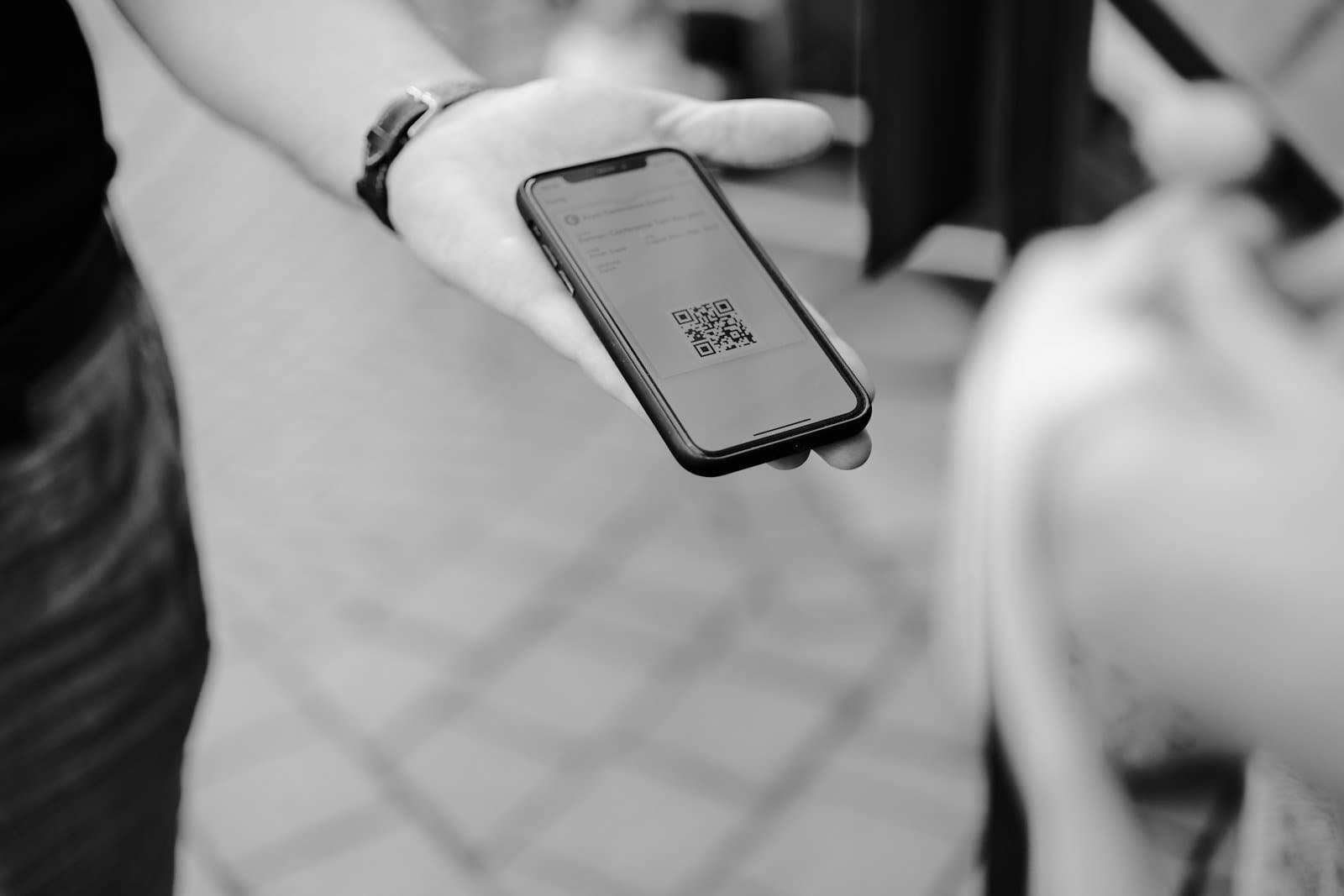
- When the traveler arrives, you scan their booking's QR code in the BoxSpot Partner app (App Store and Google Play).
- In the app, you take a timestamped photo of the bags, then put them away in your closed space.
- When the traveler comes back, you hand the bags back only against the same QR code.
On the money side: you are paid for each booking; the exact terms are in the partner contract the team presents to you before anything is signed. BoxSpot does not promise any volume: the number of bookings depends on your location and your opening hours.
Applying is free: no subscription, no lockers or equipment to buy. You need a secure space out of customers' reach (back room, storeroom), a smartphone and regular opening hours. The network already includes cafés, hair salons, a parapharmacy, an optician and a travel agency, among others. A traveler who comes for their bag may also have a coffee or buy something: see our guide for cafés and restaurants.
Who it suits, and who it doesn't
It suits you if:
- you are on travelers' routes: near a medina gate or the station, in Gueliz, near hotels and riads;
- you keep regular hours, ideally from morning into the evening;
- you have a back room, a storeroom or a closed space;
- your team can follow the same procedure at every drop-off: scan, photo, and bags handed back only against the QR code.
It does not suit you if:
- you have no closed space and the bags would stay within everyone's reach;
- your hours change often or you close without notice;
- you are far from travelers' routes, for example in a residential area away from the medina, Gueliz and the station;
- your team cannot follow a strict procedure, even at peak hours.
If your business relied mostly on customers from the old Bab Doukkala coach station, coach travelers no longer pass there: look at who walks past your door today. And if luggage storage is not for you, the other ideas in this article still apply.
BoxSpot is recruiting in Marrakech: how do you apply?
BoxSpot is looking for partner businesses in Marrakech, especially near the medina gates, around the station and in Gueliz. The steps:
- You apply on the partners page.
- The BoxSpot team gets back to you and checks your space.
- They ask for your documents and present the partner contract.
- A short training session explains the procedure, then your drop-off point is activated.
Each step is detailed in our guide Becoming a BoxSpot partner.
Is your business on travelers' path in Marrakech?
Free to apply, with no subscription or equipment to buy: a closed space, a smartphone and regular hours. You are paid for each booking, under the partner contract presented before anything is signed.
Become a partnerFrequently Asked Questions
- By being easy for a foreigner to find and to use: a Google Maps listing with the exact address and real opening hours, prices and a menu in several languages, card payment, hours that run from morning into the evening and links with the riads in the neighborhood. A business with a closed space can also become a BoxSpot drop-off point.
- You are paid for each booking; the exact terms are in the partner contract the team presents to you before anything is signed. BoxSpot does not promise any volume: the number of bookings depends on your location and your opening hours.
- Applying is free, with no subscription and no lockers or equipment to buy. You need a secure space out of customers' reach (back room, storeroom), a smartphone and regular opening hours. BoxSpot is especially looking for businesses near the medina gates, around the station and in Gueliz.
- The shopkeeper scans the booking's QR code in the BoxSpot Partner app, takes a timestamped photo of the bags and puts them away in the closed space. When the traveler returns, the bags are handed back only against the same QR code.
About the author

Mohamed Aymane SFOULI
CTO & Co-Founder