Key Takeaways
- According to the Observatoire du Tourisme, Morocco recorded 17.4 million border arrivals from January to October 2026, Moroccans living abroad included.
- The most useful free lever is a complete Google profile: real photos, accurate hours, replies to reviews.
- Prices displayed for everyone and a menu in French, English and Spanish remove hesitation; card payments and longer hours cost money.
- Applying to become a BoxSpot drop-off point is free, with no subscription or equipment, and gives travelers a reason to step in; BoxSpot promises no booking volume.
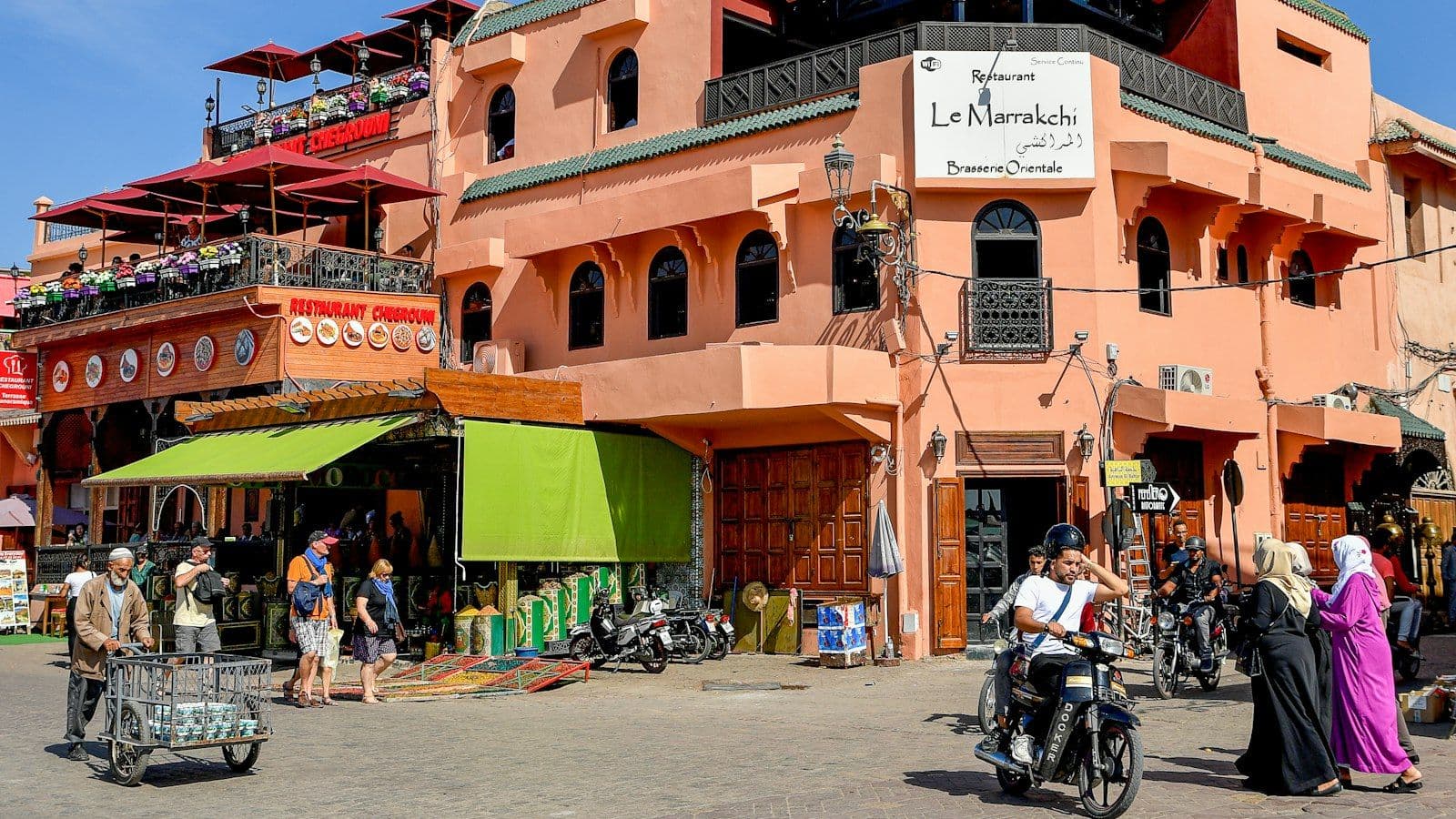
Tourists walk past your café or shop every day, phone in hand, without coming in. For them to come in, they need to find you, understand what you offer in a few seconds and be able to pay. Here are the levers that work in Morocco, and what each one really costs.
Short answer
Start with what is free: a complete Google Business Profile (photos, accurate hours, replies to reviews), displayed prices and a menu that reads in French, English and Spanish. Then add what costs money: a card payment terminal, a sign, longer opening hours. Get recommended by the riads and guides in your area. And give travelers a reason to step in, for example by becoming a BoxSpot drop-off point: applying is free and there is no equipment to buy.
How many tourists come to Morocco, and from where?
According to the Observatoire du Tourisme, Morocco recorded 17.4 million arrivals at border posts from January to October 2026, up year on year. Over the whole of 2025, the Ministry of Tourism counted 19.8 million visitors, a record.
These figures also count Moroccans living abroad: at the end of July 2025, according to the ministry, they made up a little over half of arrivals. Foreign tourists still number in the millions every year, and the main markets the ministry cites for 2025 are France, Spain, the United Kingdom, Belgium and Italy.
In practice, your foreign customers mostly speak French, English or Spanish, often choose where to go from their phone, and don't always carry dirhams in cash.
How do you show up on Google Maps when a tourist searches nearby?
A traveler who types “café” or “souvenirs” into their phone first sees the most complete Google listings around them. You can manage a Business Profile at no charge, and Google points out in its tips for local ranking that you cannot pay to rank higher.
- Verify your profile and pick the right category.
- Post real photos: the shopfront, so people recognize it from the street, the inside, your products and your price list.
- Keep your hours accurate, including during Ramadan and on public holidays.
- Reply to reviews, good or bad, politely and if possible in the customer's language: the next readers see how you treat your customers.
- Ask for reviews from happy customers, with a small QR code near the till. Never buy them: it is against Google's rules.
Cost: zero dirhams, a few hours to start, then a little time each week. If you only do one thing from this guide, do this.
Prices, sign, menu: be understood in five seconds
Many tourists hesitate to walk in when they don't know how much they will pay. A displayed price removes that doubt.
Display your prices, the same for everyone
Show your prices in dirhams, readable from the entrance or the window, and apply them to everyone. It is also a legal duty: Article 3 of Law 31-08 on consumer protection requires sellers to inform customers of prices, in particular by display. On a terrace, a displayed menu is often enough to win over a hesitant customer.
A menu and sign in French, English and Spanish
Keep Arabic and add French, English and Spanish. Prefer short words and photos of dishes or products, have the translation checked by someone who speaks the language, and show at the entrance only what is true: Wi-Fi, cards accepted, languages spoken.
Cost: low for translating and printing a menu. A professionally made sign is a real expense, and before putting one up on your shopfront, ask your commune which permits you need.
Should you accept bank cards?
A tourist who has run out of dirhams, or doesn't want to withdraw cash for a small purchase, walks out if they can't pay by card. Accepting cards stops you losing those sales, but this lever costs money: the terminal goes through your bank or an approved provider, usually with set-up or rental fees and a fee on each payment.
- Ask for the full fee schedule in writing and compare at least two offers.
- Check that foreign cards are accepted and how long the money takes to reach your account.
- Once you are set up, say so on the door and on your Google profile.
What opening hours fit a traveler's day?
A traveler doesn't live at the pace of your neighborhood. They need you early in the morning (breakfast, a coffee before a train), late in the morning (they have checked out and only leave in the evening, often with their bags) and in the evening (dinner, last purchases, waiting for a train or a night flight).
Watch at what times tourists pass your door and at what times your neighbors are closed: that is often where there is room for you. During Ramadan, post your hours on the door and on Google. Cost: extra staff and electricity. And always keep the hours you post.
Riads, guides, apps: how do you get recommended?
Tourists ask for advice at their riad, from their guide or from their apps.
- Nearby riads and hotels: introduce yourself, leave cards with a simple map and ask what their guests look for. An early breakfast or a café open late are easy to recommend.
- Guides: if they ask to be paid for bringing customers, set the rules in writing and keep the same displayed prices for everyone.
- Apps: besides Google Maps, check your Tripadvisor listing and Apple Maps, the iPhone's maps app. An Instagram account with real photos helps too.
What is free, what costs money: the summary
| Lever | Cost | What it takes |
|---|---|---|
| Google profile | Free | Time every week |
| Displayed prices | Low (printing) | An update at every change |
| Translated menu | Low (translation, printing) | A check by someone who speaks the language |
| Shopfront sign | Paid | Possible permits from the commune |
| Card payments | Paid (terminal, a fee on each payment) | Comparing offers |
| Longer hours | Paid (staff, electricity) | Keeping them all year |
| Riads, guides, apps | Mostly time; paid if you choose to pay an intermediary | Clear rules, in writing |
| BoxSpot drop-off point | Free to apply, no subscription or equipment | A secure space, a smartphone, regular hours |
Give travelers a reason to step in: luggage storage
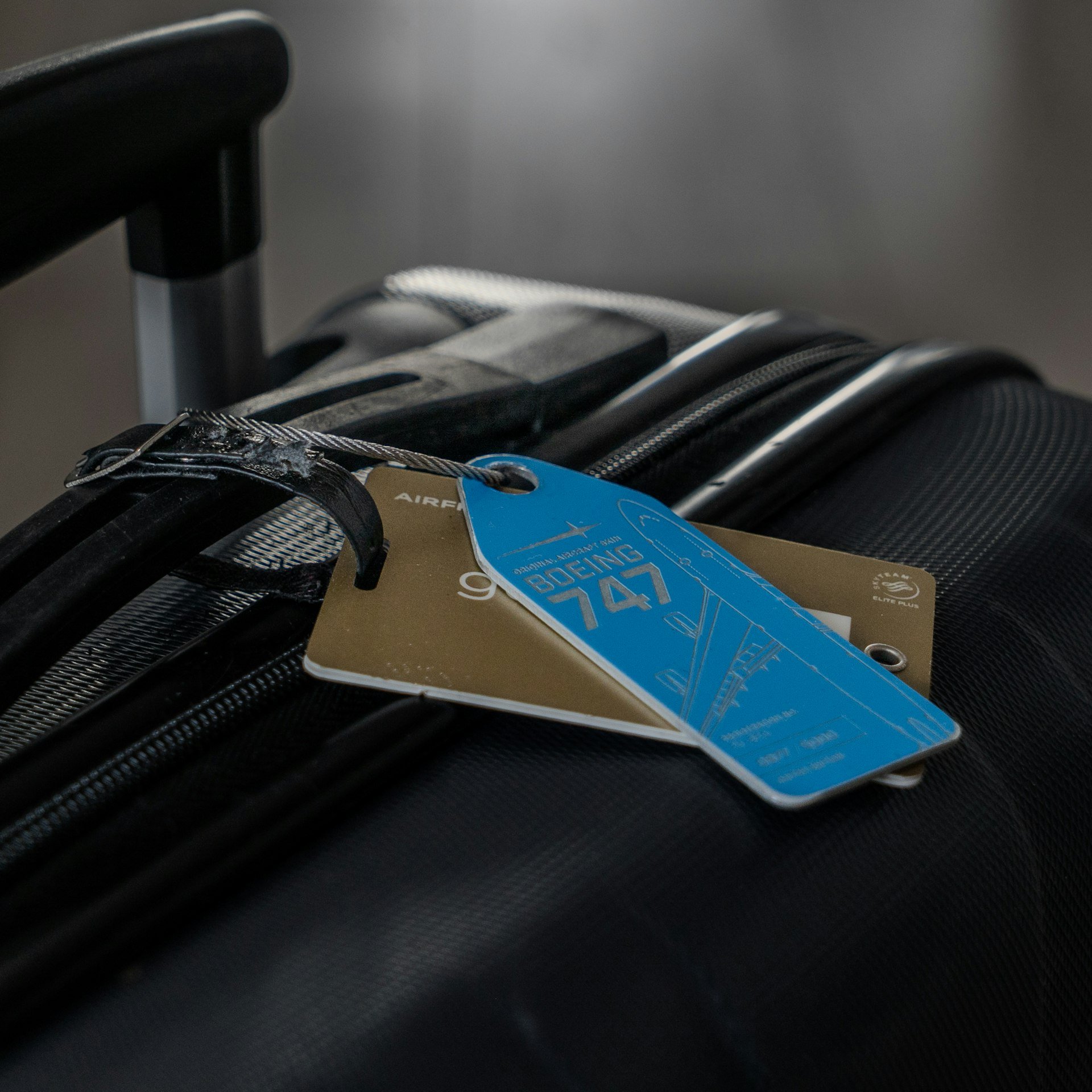
A tourist still needs a reason to come by. Luggage storage gives one: between check-out and an evening train, they look for somewhere to leave their suitcase so they can enjoy the city.
BoxSpot (boxspot.ma) is a Moroccan luggage storage platform. Travelers book online, on the website or the BoxSpot app, to leave their bags for a few hours or a few days at a nearby partner shop, from 9 MAD per hour per bag.
- Applying is free for you: no subscription, no lockers or equipment to buy. You need a secure space out of customers' reach (back room, storeroom), a smartphone and regular opening hours.
- At drop-off, you scan the booking's QR code in the BoxSpot Partner app (App Store and Google Play) and take a timestamped photo of the bags. They are only handed back against the same QR code. You are notified of bookings.
- On the money side: you are paid on every booking; the exact terms are in the partner contract the team presents to you before anything is signed. BoxSpot promises no volume: the number of bookings depends on your location and your opening hours.
The network already includes cafés, hair salons and a barber, a parapharmacy, an optician, a money-transfer agency, a travel agency, a photocopy shop, a bazaar and a luggage shop. A traveler who comes to drop off or pick up a bag may also have a coffee or buy something: it is a possibility, not a promise. Our guide explains how to turn luggage storage travelers into customers.
To join the network, apply on the partners page: the team gets back to you, checks your space, asks for your documents and presents the contract, then a short training session explains the procedure before activation.
Who it suits, and who it doesn't
Luggage storage makes sense if:
- your shop is on travelers' routes: near a train station, a bus station, a port, a medina gate or a hotel district;
- you have regular hours, and you keep them;
- you have a back room, a storeroom or a closed space away from customers.
It doesn't if:
- you have no secure space for bags;
- your hours are irregular or you often close without notice;
- your shop is far from where travelers pass;
- your team can't follow a simple procedure at every drop-off and every pick-up.
To go further, read which shops can become a drop-off point, then how to promote your drop-off point once it is active.
Do travelers walk past your shop?
Give them a reason to step in. Free to apply, no subscription or equipment: a secure space, a smartphone and regular hours are enough.
Become a BoxSpot partnerFrequently Asked Questions
- With your shop's Google profile: it is free and it is often where a traveler finds you. Add real photos of the shopfront and the inside, accurate hours and your prices, and reply to reviews. Then display your prices at the entrance and translate your menu into French, English and Spanish.
- Not fluently. A clear menu in French, English and Spanish, displayed prices, photos of your products and a translation app on your phone are enough for most exchanges. Have your translations checked by someone who speaks the language.
- It costs money: a payment terminal goes through your bank or an approved provider, usually with set-up or rental fees and a fee on each payment. Ask for the full fee schedule in writing and compare several offers. On the other side, a tourist without cash who can't pay walks out without buying anything.
- You are paid on every booking; the exact terms are in the partner contract the team presents to you before anything is signed.
About the author

Mohamed Aymane SFOULI
CTO & Co-Founder