Key Takeaways
- 📏 Think in suitcases, not m²: 2 metres of wall + 3 shelf levels = around ten bags.
- 🔒 Non-negotiable rule: a closed, dry space accessible only to trained staff.
- 🏷️ A label at every drop-off + time-stamped photos = collection in 30 seconds, zero confusion.
- 💡 An unused storeroom fitted with shelves becomes the fastest-profiting space in the shop.
The question comes up with almost every shopkeeper considering becoming a BoxSpot point: "Do I have enough room?" The answer is almost always yes — because a well-planned storage space takes up less room than you'd imagine, and above all it's space that, today, brings in nothing.
The rough figure: think in suitcases, not square metres
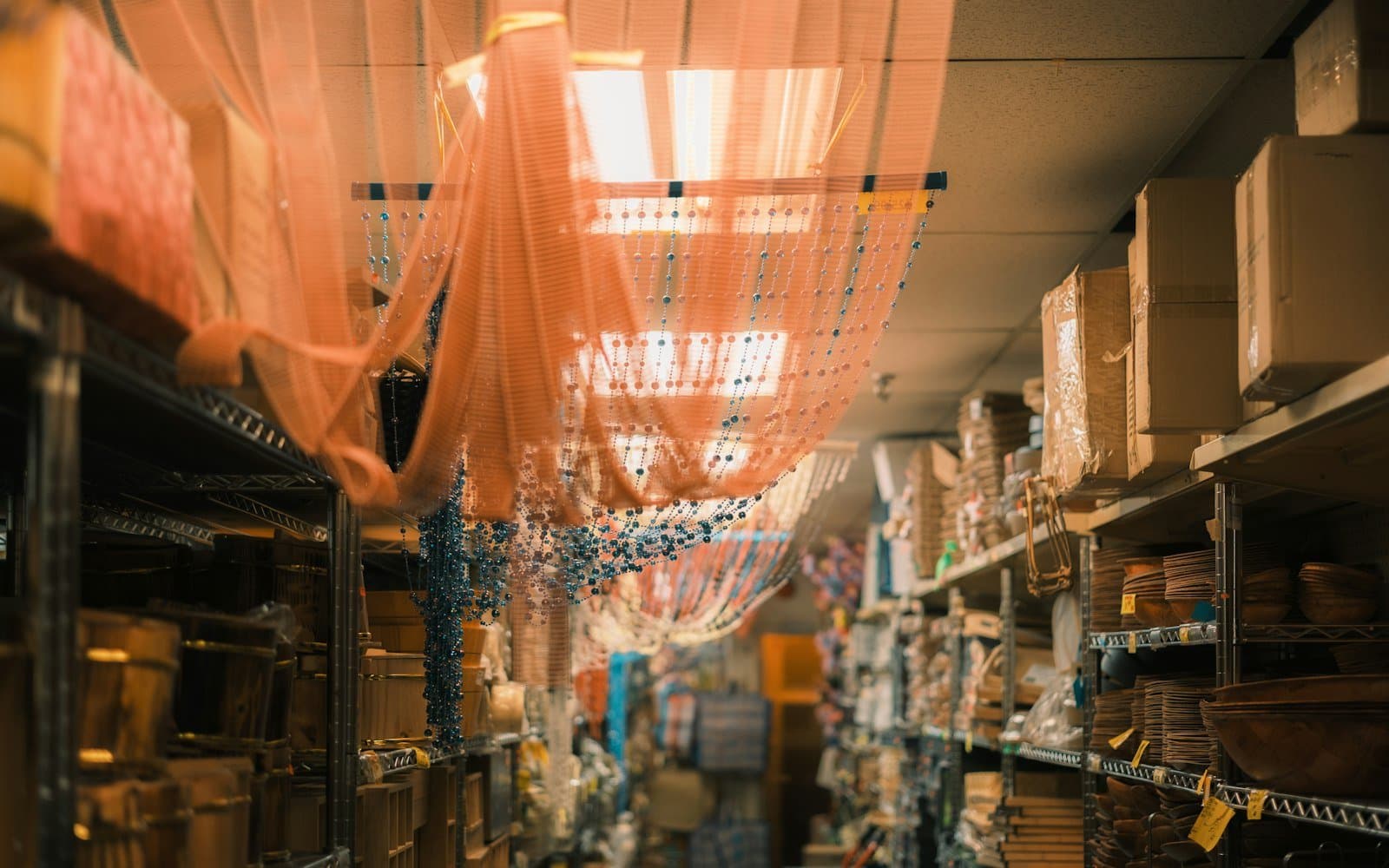
A standard travel suitcase takes up roughly 40 cm of depth by 30 to 50 cm of width. In practice, a two-metre stretch of wall fitted with sturdy shelves on three levels already holds around ten bags. A back-room nook, a fitted-out under-stair space, a partly reorganised storeroom: most partner points started this way, without any building work.
The right instinct is to think in terms of simultaneous capacity: how many bags at the same time? Tourist flow spreads across the day — morning drop-offs often leave the same evening. Start small; your declared capacity can be adjusted in your partner area.
The golden rules of layout
A closed space, out of the public's reach. The non-negotiable rule: luggage never stays in an area accessible to passing customers. Back room, closed storeroom or dedicated room — access is reserved for trained staff.
Off the floor, onto the rack. Avoid placing luggage directly on the floor if your premises can suffer from damp or dust: commercial metal shelves or raised pallets are enough. Reserve the lower level for heavy suitcases, the upper levels for light bags.
Labelling above all. Each bag gets its label at drop-off, linked to the booking. A tidy space where every suitcase is identifiable at a glance means a thirty-second collection and zero confusion between customers.
A simple route. The customer doesn't move through your storeroom: drop-off and return happen at the counter. Simply provide a clear passage between the counter and the storage area for your team.
Security: the fundamentals
A door that locks, a dry space, away from heat sources, and if possible covered by your existing setup (alarm, premises surveillance camera). The BoxSpot protocol adds its software layer — drop-off and collection QR codes, time-stamped photos of the bags — but basic physical security remains yours, just as it is for your own stock.
The calculation that matters
These few square metres of storeroom generate no income today. Fitted with three shelves and plugged into the BoxSpot network, they work all year round, with no equipment investment beyond the shelving — and without changing your core business. It's probably the fastest space in your shop to turn a profit.
Frequently Asked Questions
- There's no required surface area: a back-room stretch of wall fitted with shelves already holds around ten bags. What matters is a closed, dry space out of the public's reach.
- No in the vast majority of cases: commercial metal shelves or raised pallets are enough. The only real prerequisite is a door that locks and access reserved for trained staff.
- Each bag is labelled at drop-off and linked to the booking, with supporting photos in the partner app. Tidy storage makes every collection immediate and unambiguous.
About the author

Mohamed Aymane SFOULI
CTO & Co-Founder